Interview — Only Barely Still – On Women and Wilderness

By Kang-Chun (KC) Cheng | This interview previously appeared in the June 2026 Newsletter
Kang-Chun (KC) Cheng interviews Belgian photographer Catherine Lemblé about her photo book Only Barely Still – On Women and Wilderness, which reimagines the Arctic through the lives of the women living there, with a particular focus on the Svalbard archipelago.
KC Cheng: When was your first time in the Arctic, and how did that opportunity arise? Did you know at the time you'd be drawn back repeatedly, eventually to make a body of work? How many years did it take for you to make this second photo book?
Catherine Lemblé: I had never heard of Svalbard until my sister told me about it in early 2017. Her sister-in-law, Sarah, lives there. Upon hearing my sister talking about it, I immediately decided to visit.
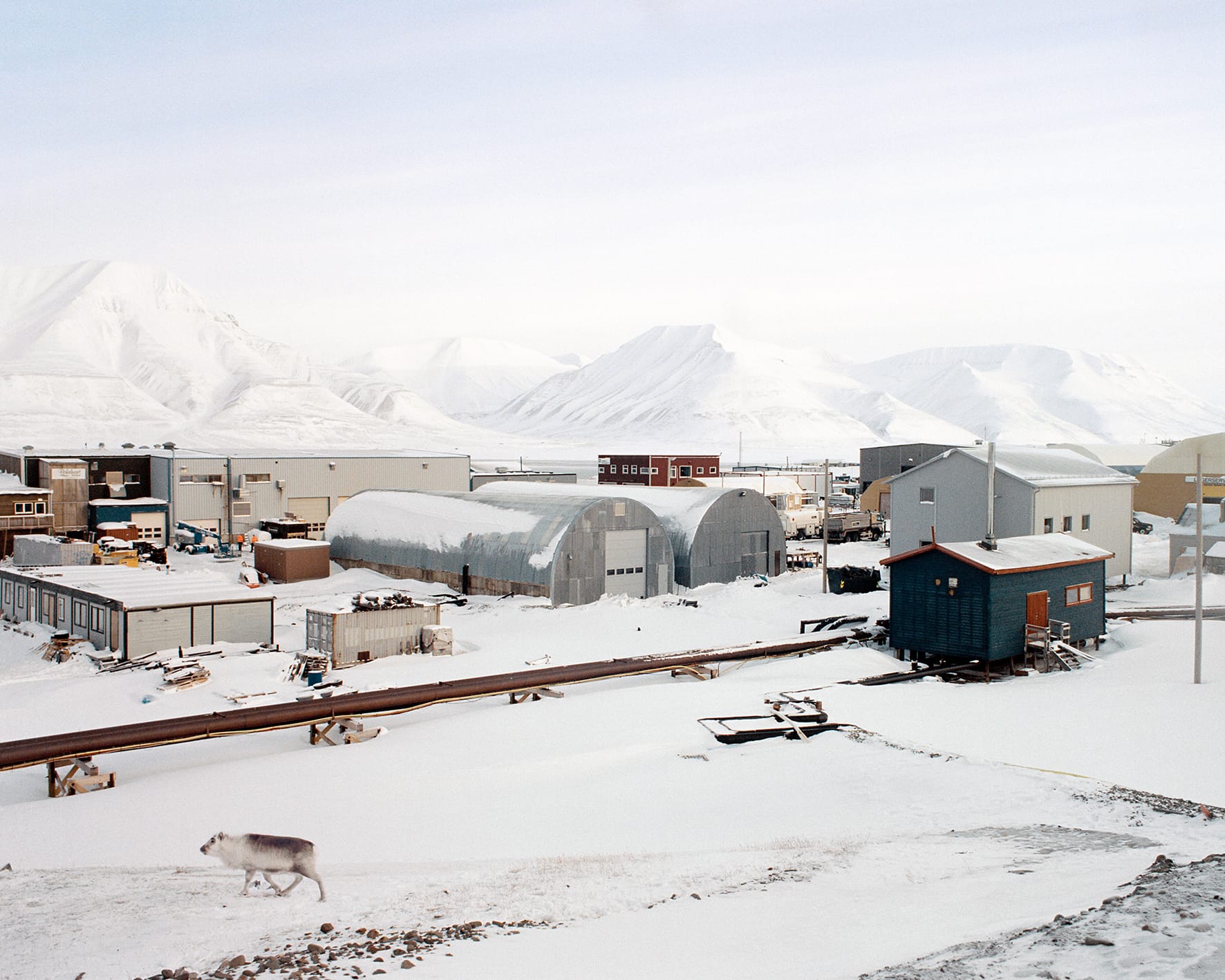
Not really knowing what to expect, arriving in the capital town of Longyearbyen completely surprised me. It was a landscape unlike anything I had experienced before. Everything was covered in snow. No trees, and the sky turned pink, orange, purple, dark blue each day. I fell in love with the place almost immediately. It was cold, but not the kind that creeps into your bones long after you’ve gone inside.
I had no idea I would return almost every year. It was only after the first three visits, that I developed the idea that would eventually become the project.
What is your own relationship with nature/the natural world like? Did this project reframe aspects of that dynamic for you?
The north of Belgium, where I’m from, is flat and densely populated. Even so, the natural world, and mountains in particular, were always a part of my life.
My mother used to take my sister and me to the mountains every year to go hiking and we would often visit family in France, near the mountains. I’ve always found great solace in the mountains: the feeling that, no matter what happens, they will still be there. They’ve always felt like a sacred place, somewhere you feel closer to people who have passed away. Because it is so quiet there, you experience everything more intensely. You forget the shit that clutters your everyday life.
In my twenties, I devoured books about mountains, from photography books to alpinism memoirs and nature writing. I had this romantic idea of escaping and living alone in a cabin in the Alps. This project made me reconsider those romantic ideals of a solitary existence in nature. In a way, it helped me move towards a more realistic and healthy, and perhaps communal, understanding of our relationship with the natural world. I think that shift is reflected in my photography as well. I’ve become increasingly interested in photographing people and their relationship with their surroundings.
What would you say may be some striking differences between how men and women relate to nature, in Svalbard in particular? Do you think this is apparent to the individuals themselves?
In the western world there are different cultural expectations placed on men and women, about how one should behave, or how people feel they are expected to behave. These can shape the way people relate to nature and to the environment in Svalbard.
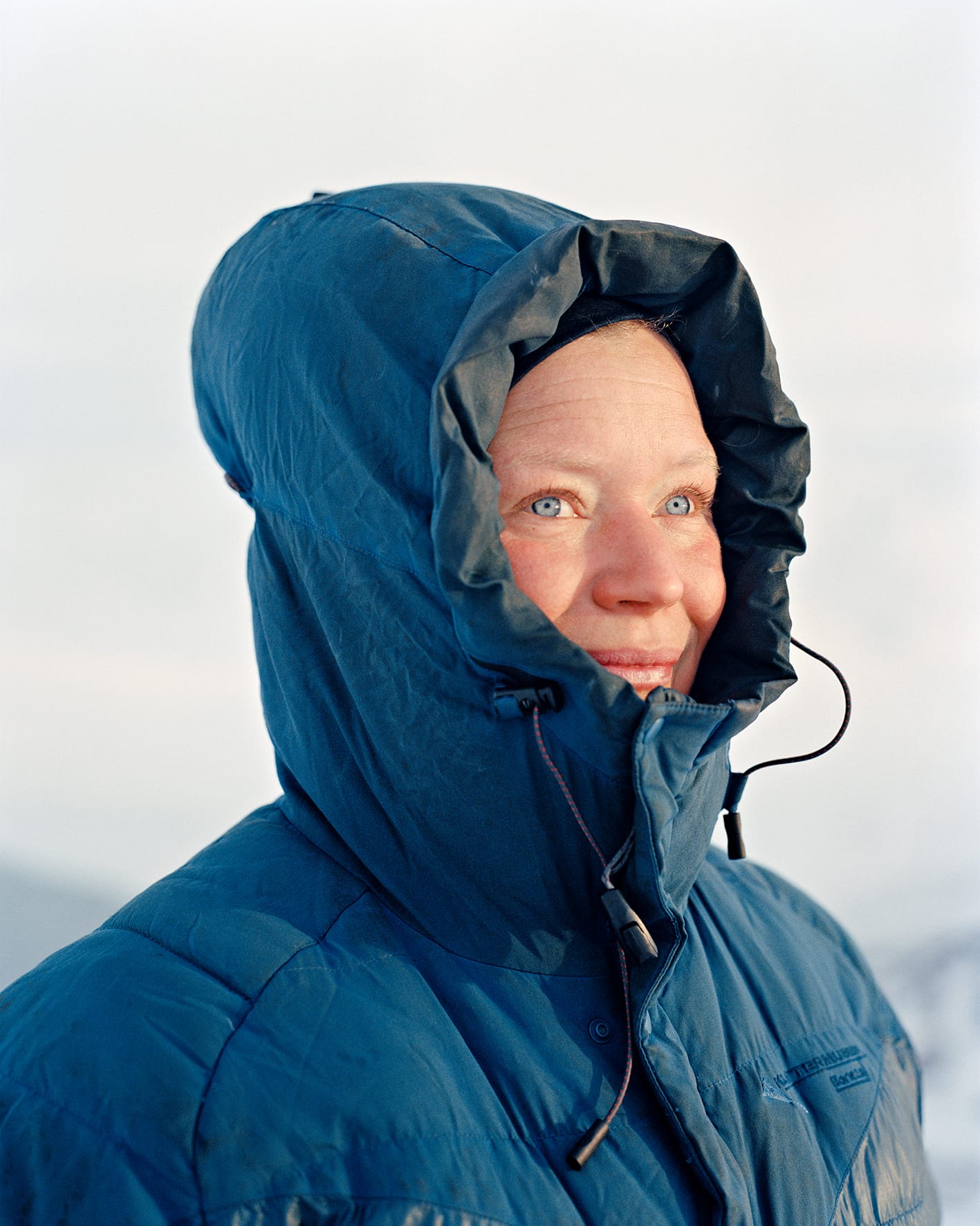
One of the guides I met in Svalbard told me that tourists often treated her differently depending on the type of tour she was leading. When guiding snowmobile tours, sometimes male tourists were skeptical of her authority or expertise — as if they found it weird that a woman was teaching them how to operate motorized vehicles. But when she guided dog-sledding tours, they often assumed that her connection with nature and animals came naturally to her.
I think this is not only true for gender, but also for background. There is still a very specific image of the 'polar guide': tall, physically strong, white, Scandinavian. These stereotypes shape the way people are perceived, and influence which people are getting hired.
Think about Christopher McCandless from Jon Krakauer's book, Into the Wild. If Christopher had been a woman, living alone in the wilderness, surviving alone by hunting animals and foraging, would people have romanticized the story in the same way? Or would people think there must be something wrong with her? That difference in perception says a lot about how gender still influences our understanding of adventure, solitude, and our relationship with nature.
What are steps the western world/global north can take to revive our connection and relationship to nature?
I think the first step is to understand that everything is connected and that we are not outside of nature. In many Western societies, nature is often treated as something external to man, something to visit, exploit, control, or protect from a distance, rather than something we are fundamentally part of.
But in the first place there needs to be structural and political change. Scientific evidence – and the naked eye – show the damage and what needs to be done. Governments must take strict action about destructive industries, enforce regulations, and hold corporations responsible for the ongoing ecocide.
What are logistical challenges to working in extreme (cold) environments? What do you do to mitigate damage / keep your workflow going?
When working outdoors, you are completely dependent on the weather and that weather is very unpredictable. So you can rest assured that most things – especially in winter – don't go as planned. That can be frustrating, but also exciting. It requires open-mindedness and patience. It's a good exercise for me, who likes to plan and have the feeling of 'control.' Staying longer in one place also makes a difference, because it allows you to wait for the right conditions instead of forcing a schedule onto a landscape that doesn't follow one.
Do you have any rituals or routines that keep you grounded when traveling for long stretches of time?
I write in my journal. Since traveling comes with a lot of new experiences, I like to process things and to remember them. Another thing I'd like to do is go out for walks, preferably every day, and especially when I'm too much inside my head.
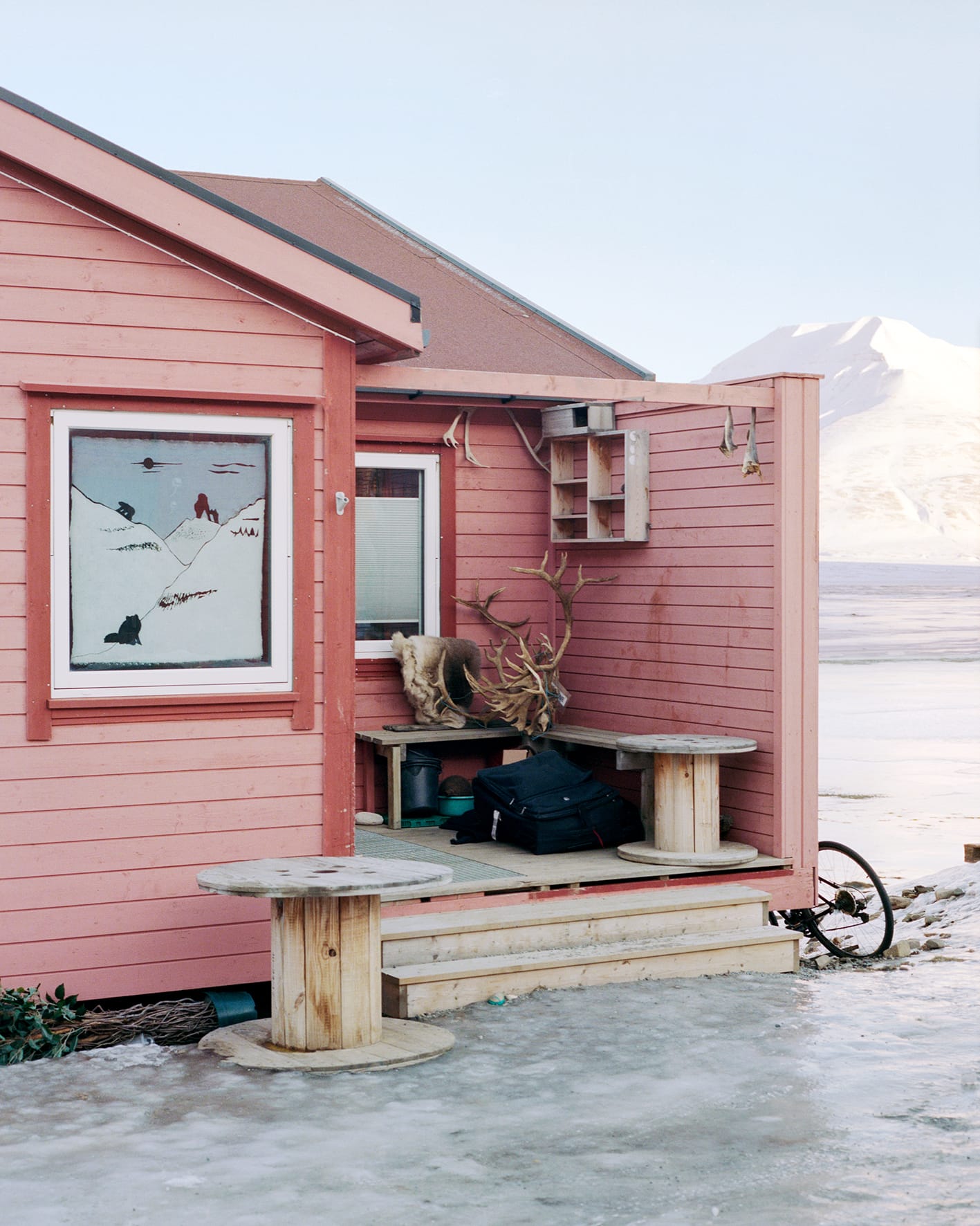
Are there any remaining indigenous communities in Svalbard now?
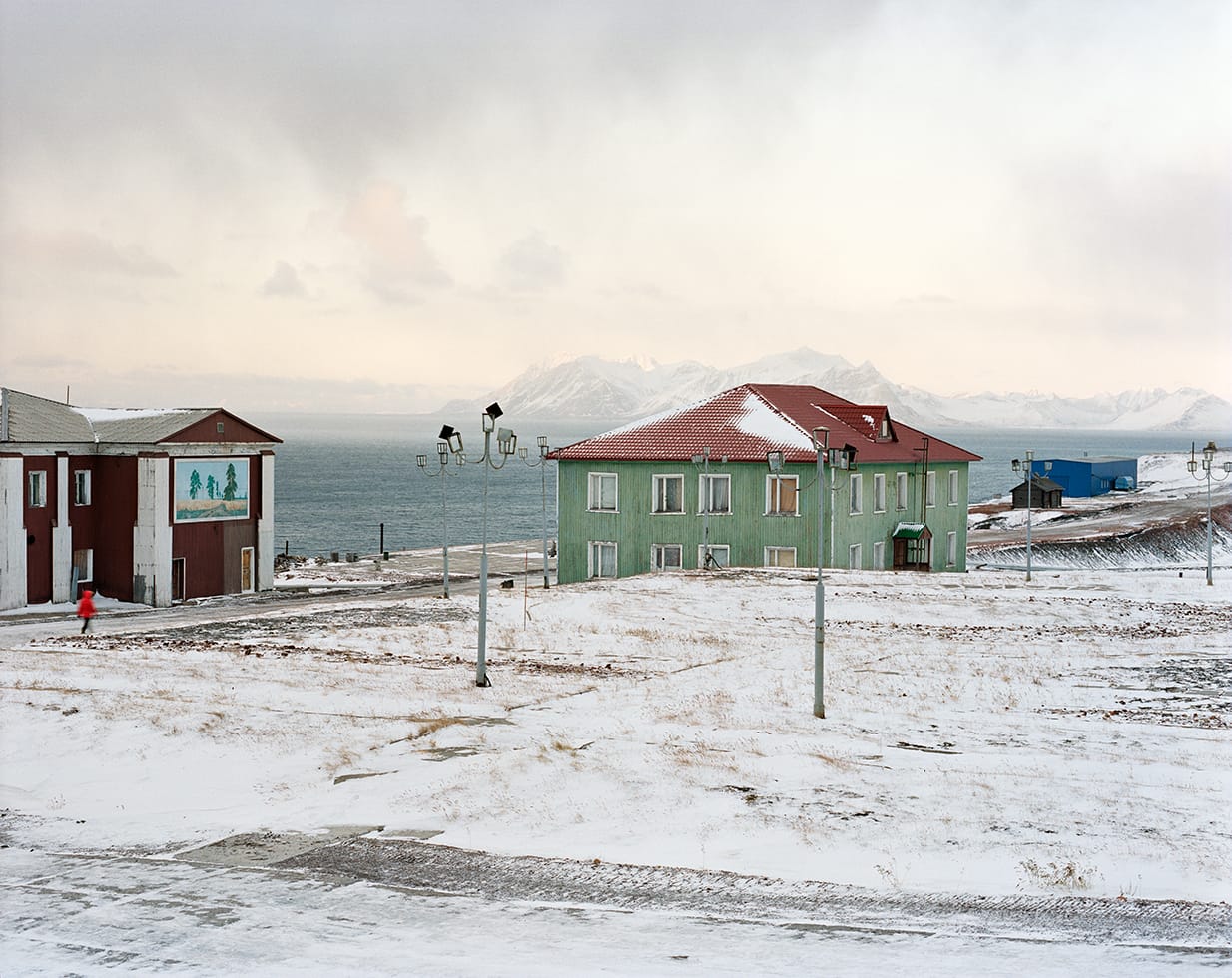
Unlike other places in the Arctic, Svalbard doesn't have an Indigenous population. People have lived in Svalbard since the 17th century, and permanently since the end of the 19th century, when mining began. The capital city, Longyearbyen, where most people in Svalbard live, has around 2,500 inhabitants. In Longyearbyen there are more than 50 different nationalities represented. There are significant communities from countries such as Thailand and the Philippines, among others. This makes Svalbard a diverse, transient society.
As part of our society enters an extreme, technocratic, AI-reliant era, there's also a smaller, quieter counterbalance to that — in the form of print-only magazines, intentionally spending time offline, shooting on film, etc. How do you think these art forms contribute to retaining our sense of creativity and observational skills, of being part of something greater than us, rather than trying to dominate and control?
Indeed, attention becomes commodified. It's important to cultivate habits that protect it, and preserve space for our own thoughts.... Reading (physical) books, making analog pictures, going for a walk, watching the light change, having a drink and talking to real people, these are all small acts of resistance, ways to consciously participate in life.
About Catherine Lemblé
Catherine Lemblé is a photographer based in Brussels. Through long-term projects she works around the ever-changing relationship between the human and the more-than-human world. Her photo book Only Barely Still – On Women and Wilderness (2025) offers a counter narrative to male, western perspectives of the arctic and Svalbard specifically. @catherine.lemble
About Kang-Chun (KC) Cheng
Kang-Chun "KC" Cheng is a Taiwanese-American photojournalist and writer based in Nairobi, covering environmental change, cultural continuity, foreign interventions, and outdoor adventure. Her work began in the Arctic and extends globally, from eastern Ukraine to northern Mozambique and South Sudan. She is a 2026 Stringer Awards finalist. @takeme.north